
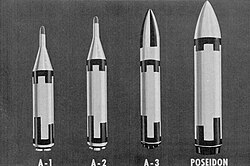
The Polaris UGM-27 missile, now long retired, played a key role in shaping modern procurement strategies. As a nuclear-armed, two-stage, solid-fuel, submarine-launched ballistic missile, Polaris served as the main nuclear weapon of the US Navy from 1961 to 1980. Its development was a turning point for procurement professionals, laying the foundations for strategic practices still used today.
Initiated in the mid-1950s and completed in the early 1960s, the Polaris program revolutionized how projects were managed through systems engineering, network scheduling, and centralised control. These innovations enabled complex projects to be delivered ahead of schedule even under difficult conditions. The program became a model for managing large-scale technological efforts involving multiple contractors, shifting the defence industry from linear management to integrated, concurrent processes.
Polaris contributed several key elements to current procurement strategy:
Creation of Specialised Management Offices
Program Evaluation and Review Technique (PERT): This tool, invented for Polaris, helped plan, schedule, and monitor thousands of subcontractors by using probabilistic estimates for task durations.
Critical Path Method (CPM): Network scheduling made it possible to allocate resources efficiently and identify bottlenecks by mapping task dependencies.
Concurrent Engineering and Technical Management: By developing components like missiles, guidance systems, and submarines simultaneously, the program embraced concurrent engineering.
Managing Complex Contractor Networks: Polaris coordinated more than 250 main contractors, 9,000 subcontractors, and over 70,000 work packages, creating advanced supplier management systems.
By delivering operational missiles well ahead of schedule, the Polaris program set the standard for today’s defence, aerospace, and complicated project management fields.