
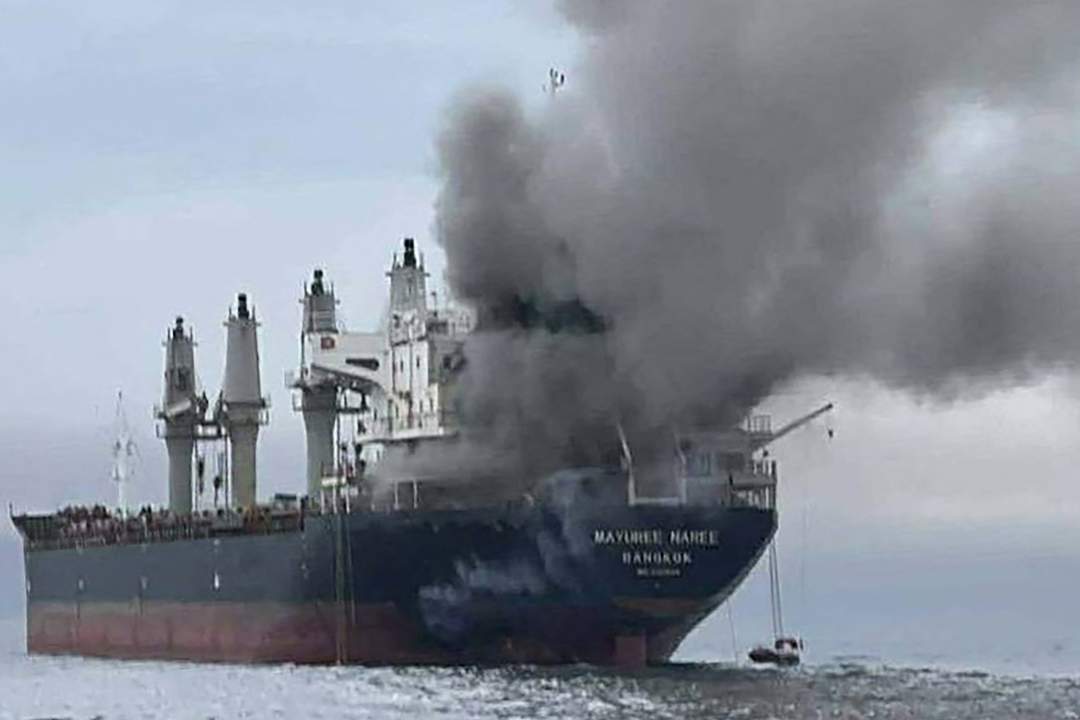
As of March 2026, heightened tensions between Iran, the US, and Israel have closed the Strait of Hormuz, causing major disruption to global energy supply chains and shipping routes. The strait handles about 20% of worldwide oil shipments and 25% of seaborne oil trade, making its closure a significant shock.
Shipping traffic has fallen by up to 90%, forcing rerouting and sharply increasing costs across supply chains. Trade flows of roughly USD 1.2 trillion from Gulf nations are at risk, mostly in energy products like crude oil, LNG, and refined petroleum. Brent crude prices now exceed $90 per barrel and could rise further, squeezing buyers of petrochemical feedstocks and fuels.
Logistics costs are up as shipping companies bypass the strait via much longer routes, with insurance premiums surging. Fertilizer exports, especially urea, have been disrupted, raising prices and threatening food security in agricultural economies such as India, Brazil, and Australia. Manufacturing is also affected: shortages in Middle Eastern polyethylene impact Asian production, while delays hit microchip and EV battery supply chains.
Procurement strategies are shifting, with many firms declaring force majeure or diversifying supply sources. The crisis highlights the risks of relying on a single maritime corridor with few pipeline alternatives.
The duration of the strait’s closure will determine global economic effects:
- Up to two weeks: minimal impact.
- About one month: notable shipping disruptions.
- Over four weeks: severe supply chain consequences.
Europe’s exposure is moderate, with Italy, Belgium, France, Germany, the Netherlands, and the UK most affected. Austria faces indirect impacts through price increases. Short-term disruptions mainly drive price volatility; lasting shortages would only occur if the closure continues for months, raising energy costs and hurting European industry competitiveness.
Karl Furrutter (and associates) are Strategic Procurement analysts with nearly 30 years experience.