
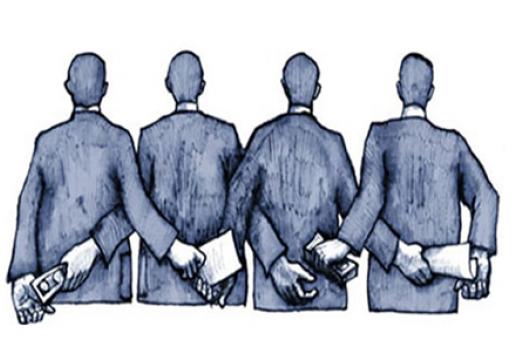
Politics shapes sourcing, supplier eligibility, costs, risks, and compliance.
Five key influences are:
1. Geopolitics
Governments may favour suppliers from particular countries to protect national security or strengthen strategic ties, such as sourcing critical technology from an ally. This can limit options but deepen strategic supplier relationships.
2. Public-Sector Priorities
As a major buyer, the public sector’s purchasing often reflects the political climate. Government contracts require strict compliance, and new administrations may redirect priorities or end existing programmes.
3. Trade and International Relations
Procurement leaders must account for political alliances and trade agreements, which affect supplier access and cross-border costs. Monitoring changes helps teams secure alternatives and plan for disruption.
4. Government Budgets
Government budgets affect procurement because political agendas determine funding. Teams must track changes, adjust purchasing plans, and stay connected with relevant agencies.
5. Ethical Sourcing and Governance
Political awareness is increasing pressure for responsible sourcing. Political movements shape governance expectations, promoting suppliers that meet labour, environmental, and anti-corruption standards. Laws also require due diligence on human rights and conflict minerals.